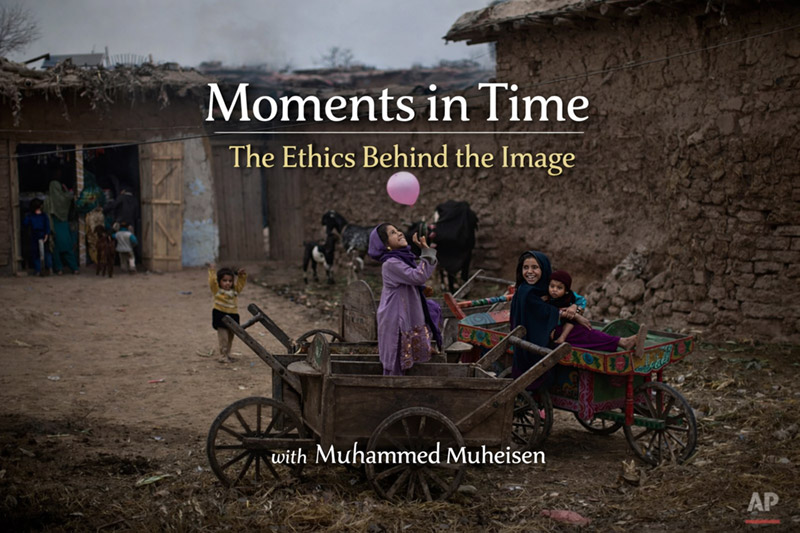
Muhammed Muheisen explains how displacement can be documented beyond moments of crisis. Drawing from years spent living alongside displaced communities, he reflects on how time, proximity, and patience allow stories to surface through ordinary routines rather than trauma alone. The session examines an ethical approach to photographing vulnerable people, focusing on consent, representation, and responsibility. It challenges visual storytellers to humanise displacement without reinforcing stereotypes, extracting suffering, or reducing lives to moments of shock.
Grounded in long term practice, the talk offers a clear-eyed view of what it means to stay with a story after the headlines move on. It considers how trust is built, how dignity is protected, and how everyday life can become a powerful counter narrative to crisis driven imagery.
What you will take away:
• A deeper understanding of how long term engagement reshapes the way displacement is visually documented
• Practical insight into ethical decision making around consent, access, and representation
• Strategies for telling human centred stories that resist simplification and exploitation
Who this is for:
• Photographers and filmmakers working in documentary and photojournalism
• Students and emerging visual storytellers engaging with social issues
• Editors, curators, and educators interested in ethics and narrative responsibility
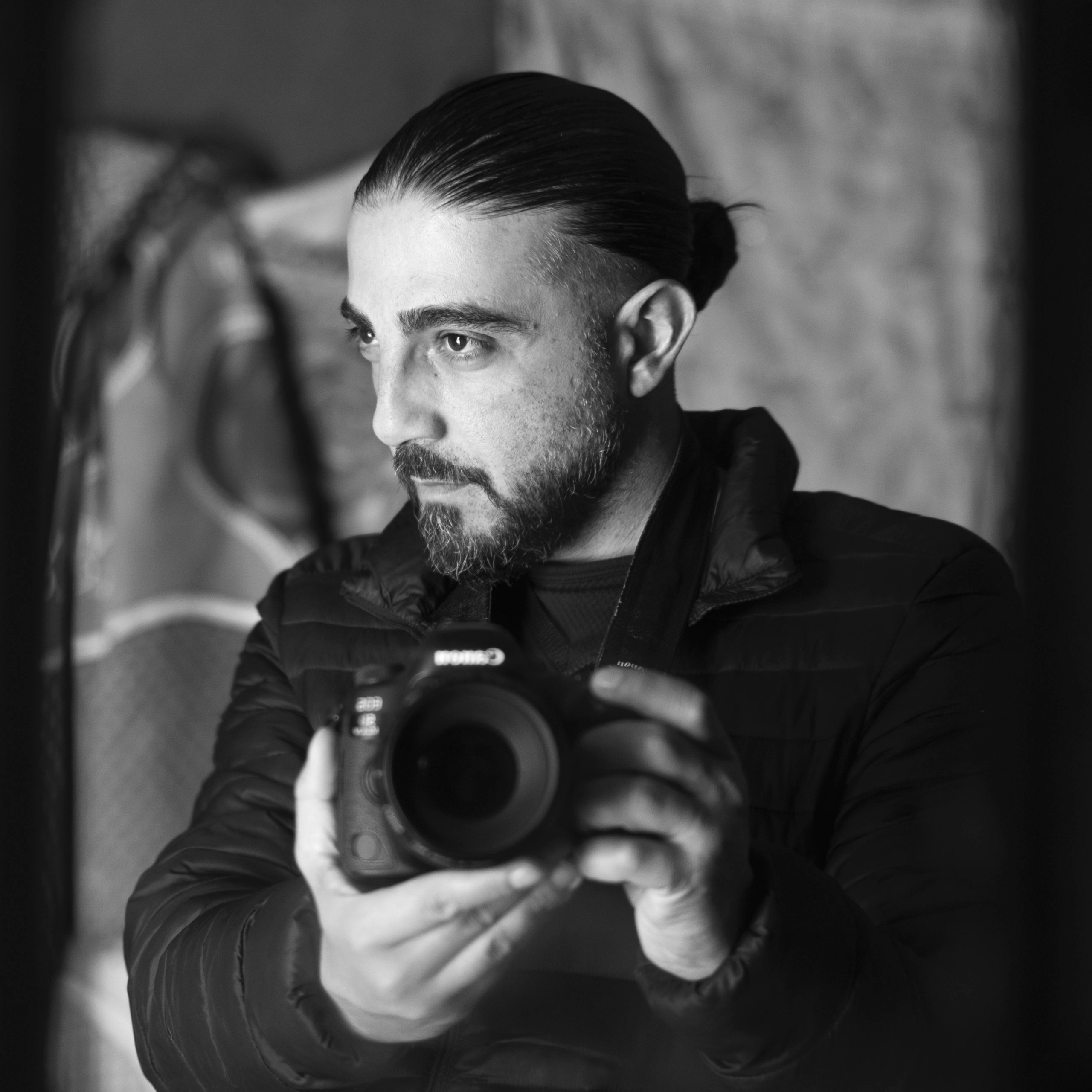
Muhammed Muheisen is a Jordanian photojournalist and two time Pulitzer Prize winner whose work centres on conflict, displacement, and civilian life. He is the founder of Everyday Refugees and is widely recognised for a long term, human focused practice that prioritises dignity, trust, and lived experience over spectacle.
 Muhammed Muheisen