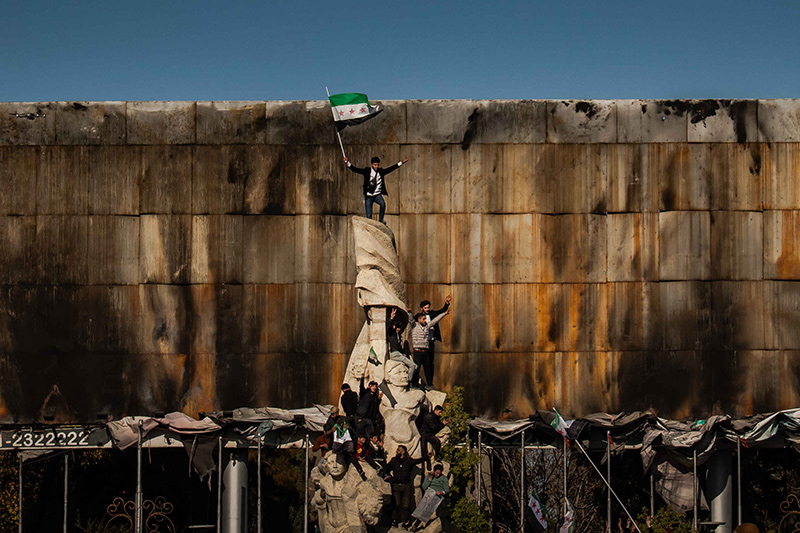
Covering Conflict: Safety, Ethics, and the Human Story
A practical and ethical guide to photographing conflict zones, this workshop equips participants to navigate danger. It helps them adapt to change and tell powerful, human-centred stories under pressure.
Introduction:
Photographing in conflict zones and high-risk environments demands more than technical skill. It requires a deep understanding of safety, ethics, and the human impact of war. In this workshop, award-winning photojournalist Salwan Georges is joined by Syrian conflict photographer Ali Haj Suleiman. They offer a grounded, real-world guide to navigating the frontlines of visual journalism with responsibility and care.
Drawing on years of fieldwork covering war, displacement, and humanitarian crises, Salwan and Ali will share insights on how to assess risk. They will explain how to adapt to shifting conditions and tell human stories under pressure, with dignity, empathy, and ethical clarity.
Description:
This session provides photographers with the practical knowledge and ethical grounding required to work in conflict zones and volatile regions. Using real examples from their own reporting, Salwan and Ali will explore how situations evolve on the ground. They will discuss how to identify warning signs and how to make quick decisions about movement, safety, and withdrawal.
The workshop will also focus on how to go beyond surface imagery, encouraging photographers to document the human experience within conflict. Participants will learn how to work sensitively with civilians, capture daily life amid chaos, and tell stories that emphasise resilience rather than reduce subjects to symbols of suffering.
Delivered through open discussion and case studies, the workshop provides a space for honest conversation about risk, pressure, ethics, and personal responsibility, helping photographers strengthen both their storytelling and their situational awareness in the field.
Modules:
Module 1: Working Safely in Hostile Environments
Focuses on risk assessment, situational awareness, and decision-making. Covers preparation, communication, and recognising when to move, pause, or leave.
Module 2: Navigating Change, Uncertainty, and Danger
Examines how photographers manage unpredictable field conditions and shifting frontlines. It also covers the pressure of changing political or military dynamics.
Module 3: Finding the Human Story Within Conflict
Explores how to centre civilians and daily life in conflict coverage. Discusses ethical storytelling, empathy, and photographing resilience without exploitation.
Suitable for:
Beginner, Intermediate, Advanced
What Should Students Bring?
A notebook and pen. Participants should bring an open mind and be ready to engage in frank discussions about the realities of conflict reporting.
Closing notes:
This workshop is an opportunity to learn from two experienced conflict photographers who have worked at the frontlines of some of the world’s most volatile regions. It offers essential insight for those who wish to pursue photojournalism in high-risk environments while maintaining ethical standards and personal safety.
- Duration 90 minutes
Date
- 03 Feb 2026
- Expired!
Time
- 16:30 - 18:00
Cost
- $50.00
Labels
- Workshop
Location
Trainers
-
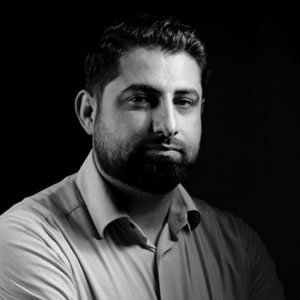 Salwan Georges
Salwan Georges is an acclaimed Iraqi-American Pulitzer Prize-winning photojournalist at The Washington Post. His globally impactful work has won Photographer of the Year titles from POYi and NPPA, covering events such as wars, environmental crises, and social upheaval. Georges’s ongoing documentation of Middle Eastern communities in America is preserved in the Library of Congress. His powerful, emotive photography has been exhibited internationally, earning accolades such as the Siena International Photo Awards’ Photo of the Year, cementing his reputation as an influential storyteller in contemporary journalism.
-
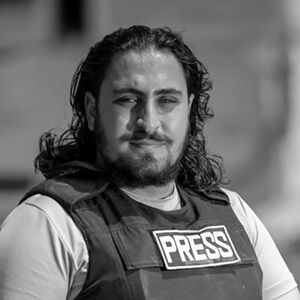 Ali Haj Suleiman
Ali Haj Suleiman is a Syrian photojournalist from Idlib, whose career began at the age of fourteen and has spanned over a decade. At just twenty-five, he has worked with organisations such as Human Rights Watch, Amnesty International and The Syria Campaign, as well as major outlets including Getty Images and Al Jazeera English. His work captures the human dimension of war, focusing on resilience, loss and dignity. Through both photography and multimedia reports, Ali has become a vital witness to the ongoing Syrian conflict.